LATEST NEWS:
Francis Alÿs, Sara Anstis, Odonchimeg Davaadorj, Susan Eyre, Andy Holden, Jochen Lempert, Kat Lyons, Anne Marie Maes, Tiziana Pers, Amalia Pica & Rafael Ortega, Bryndís Snæbjörnsdóttir & Mark Wilson
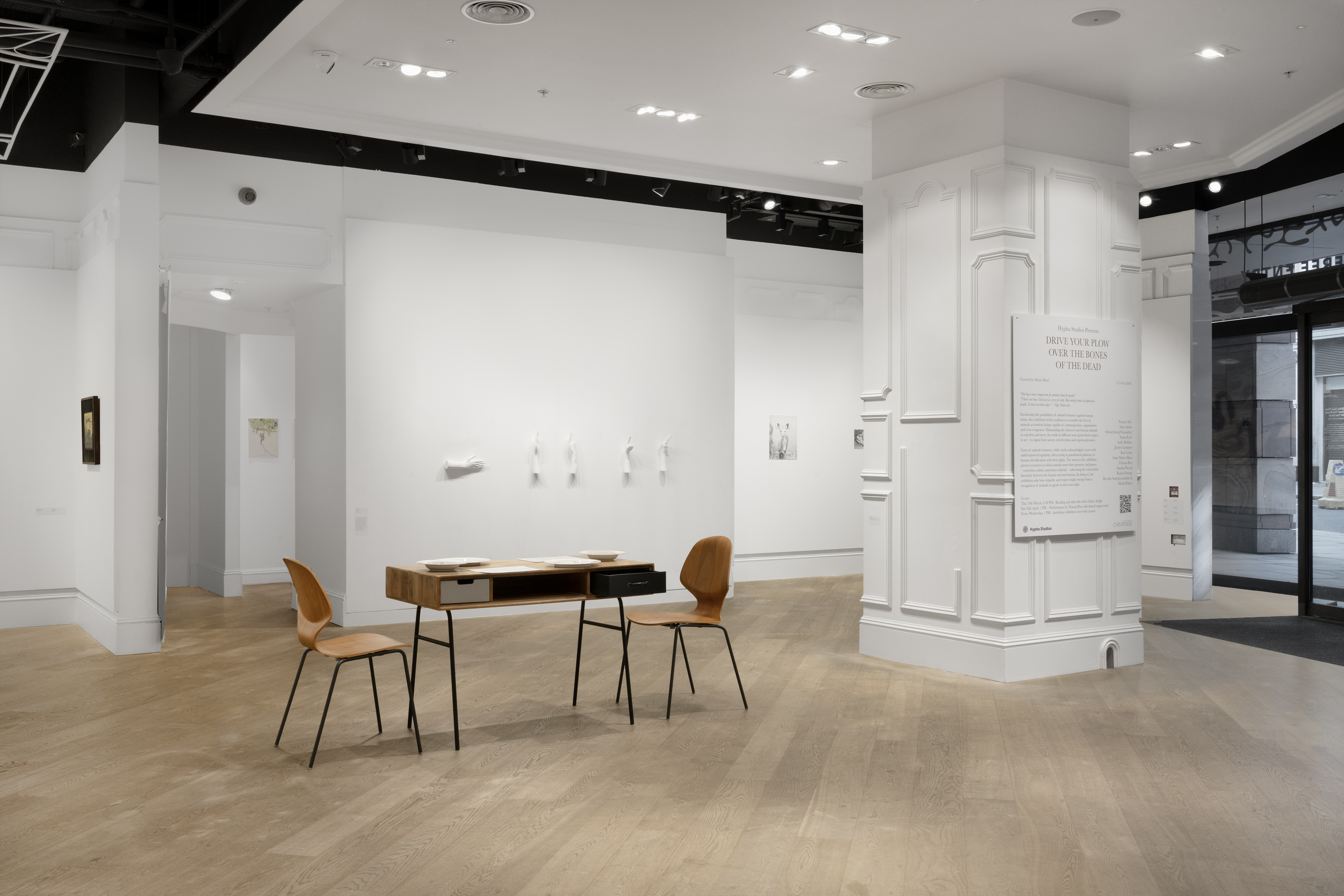
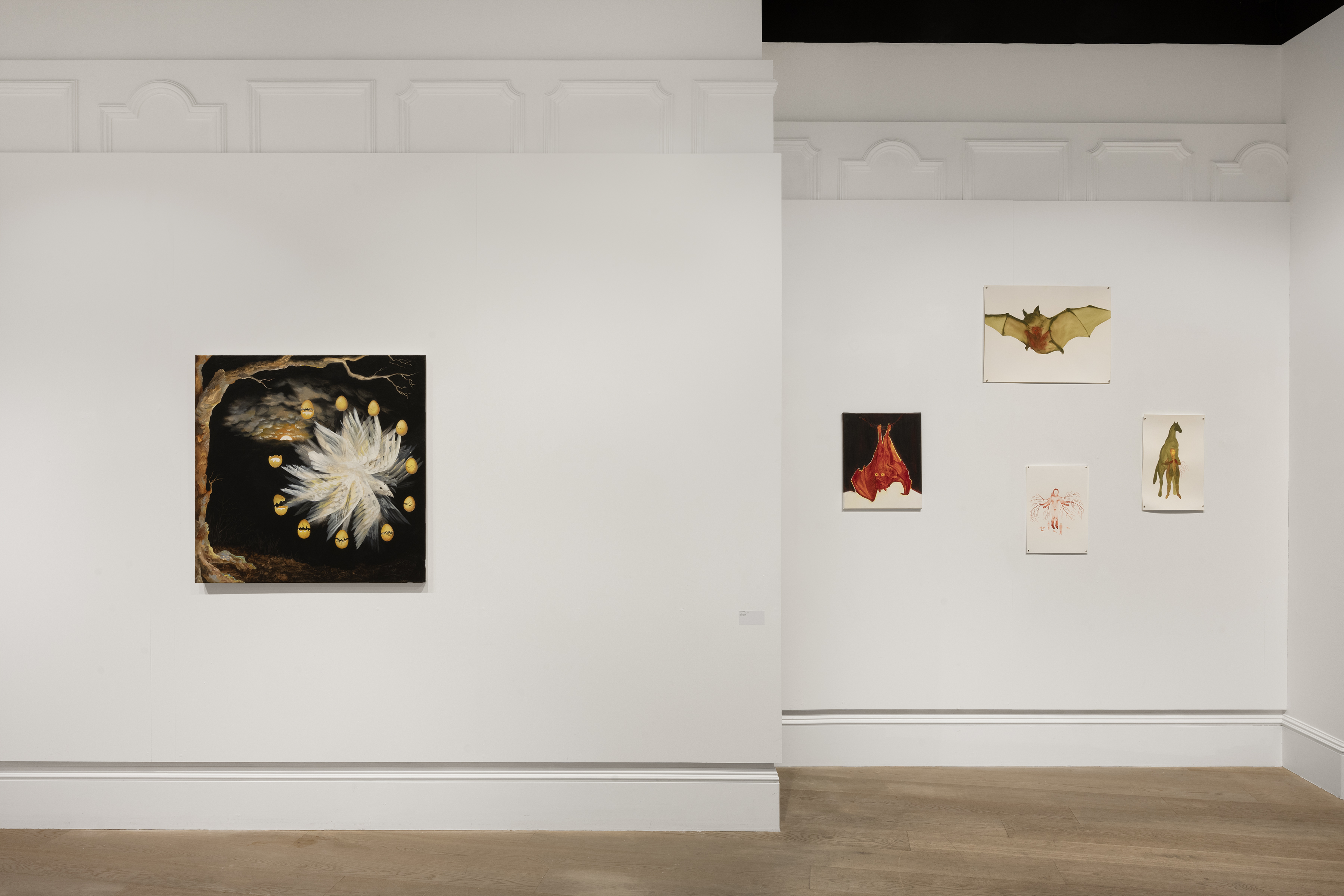
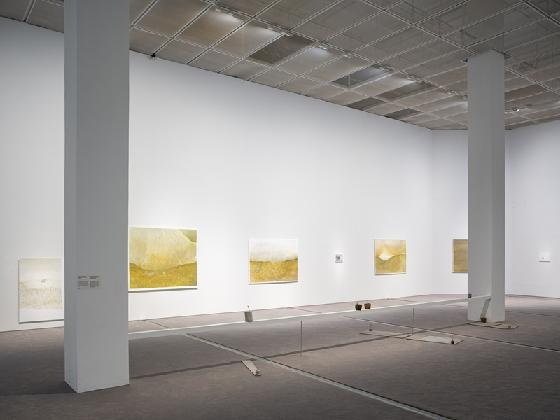
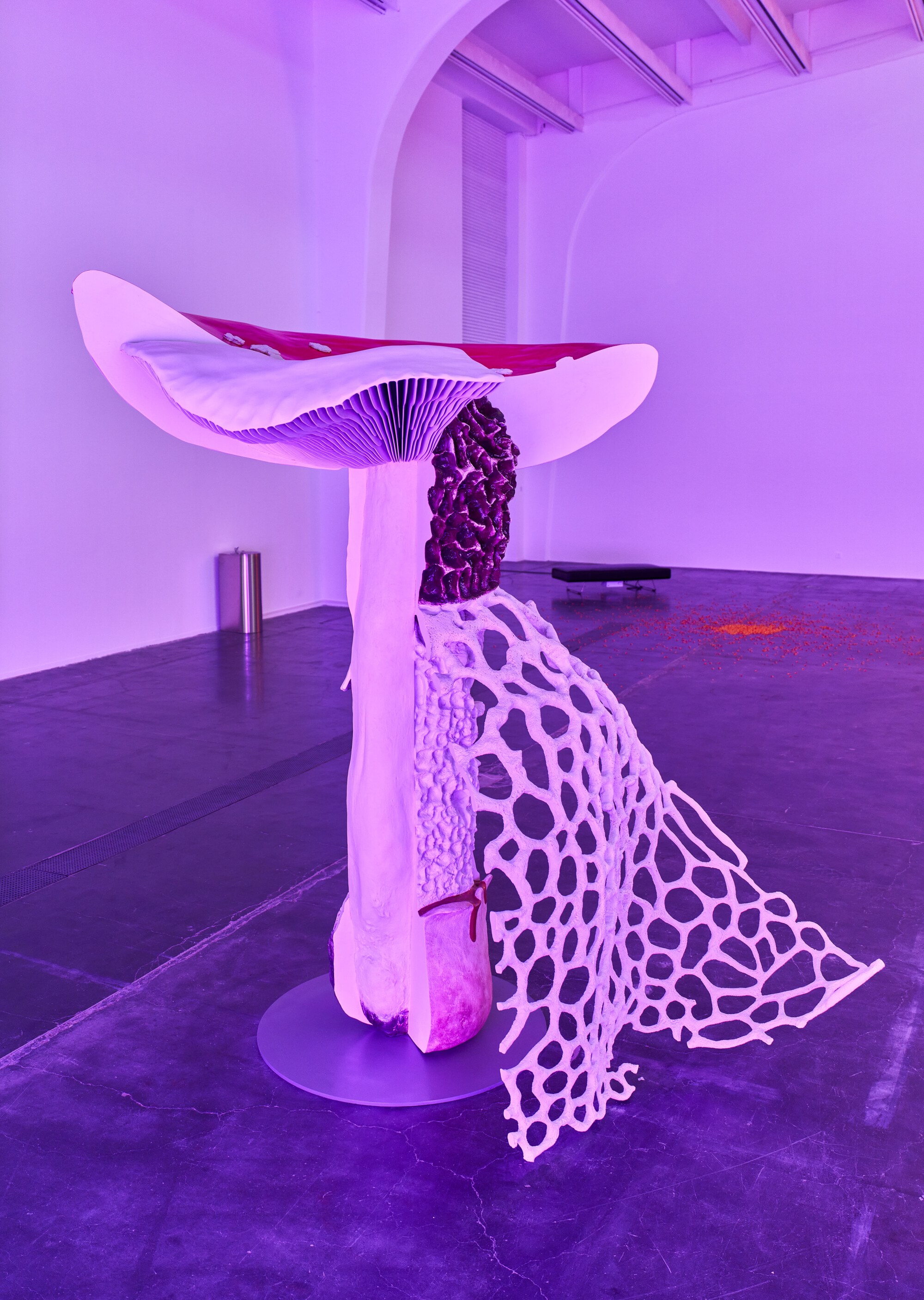
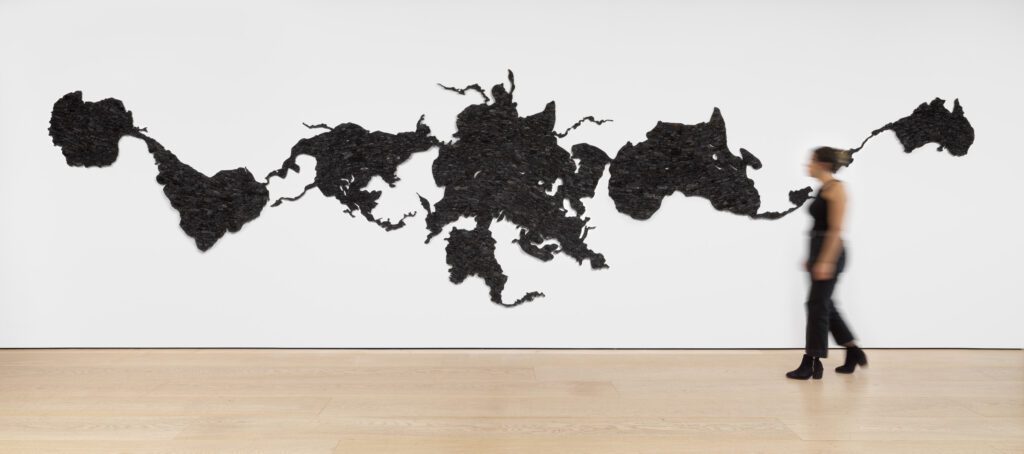
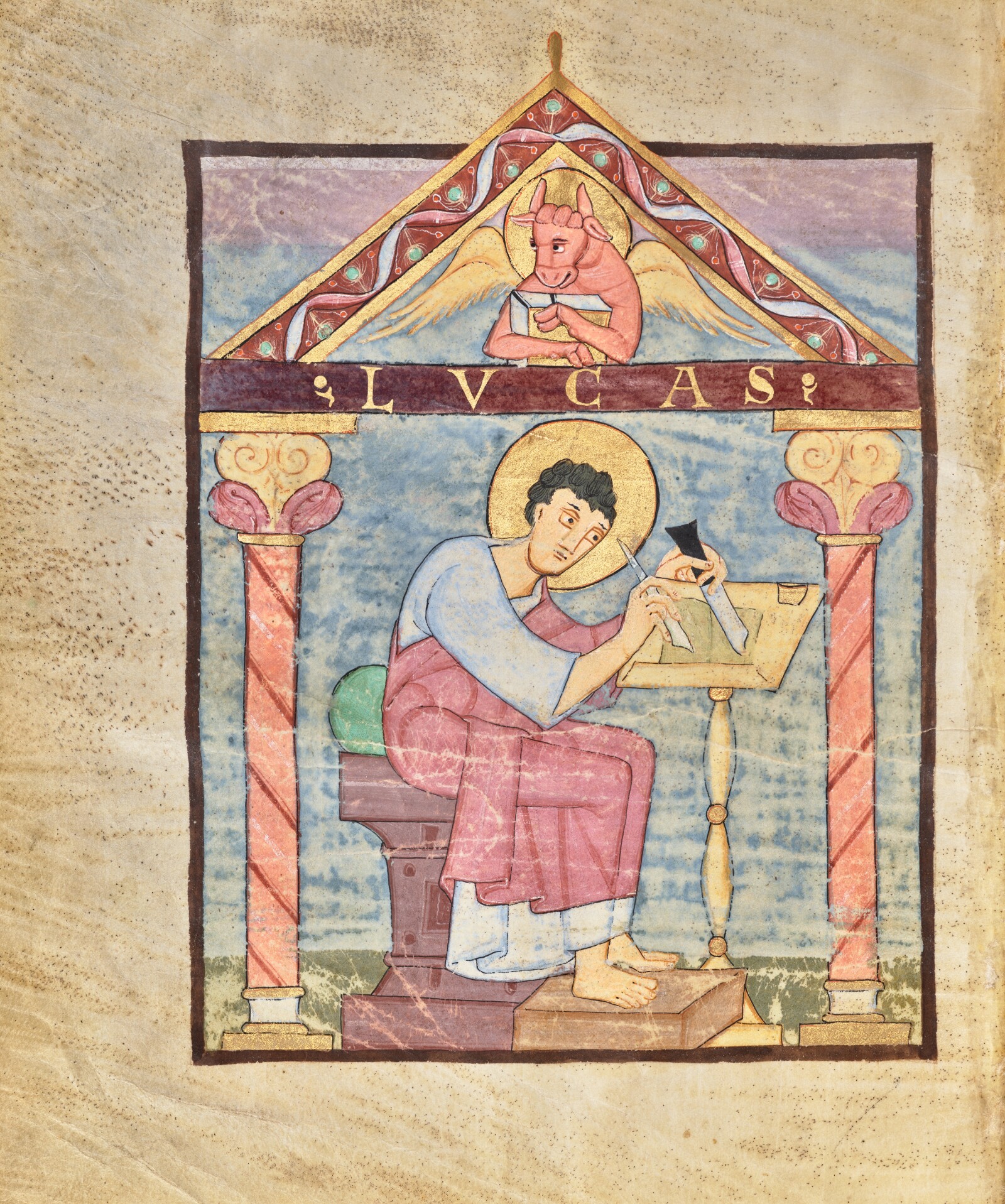
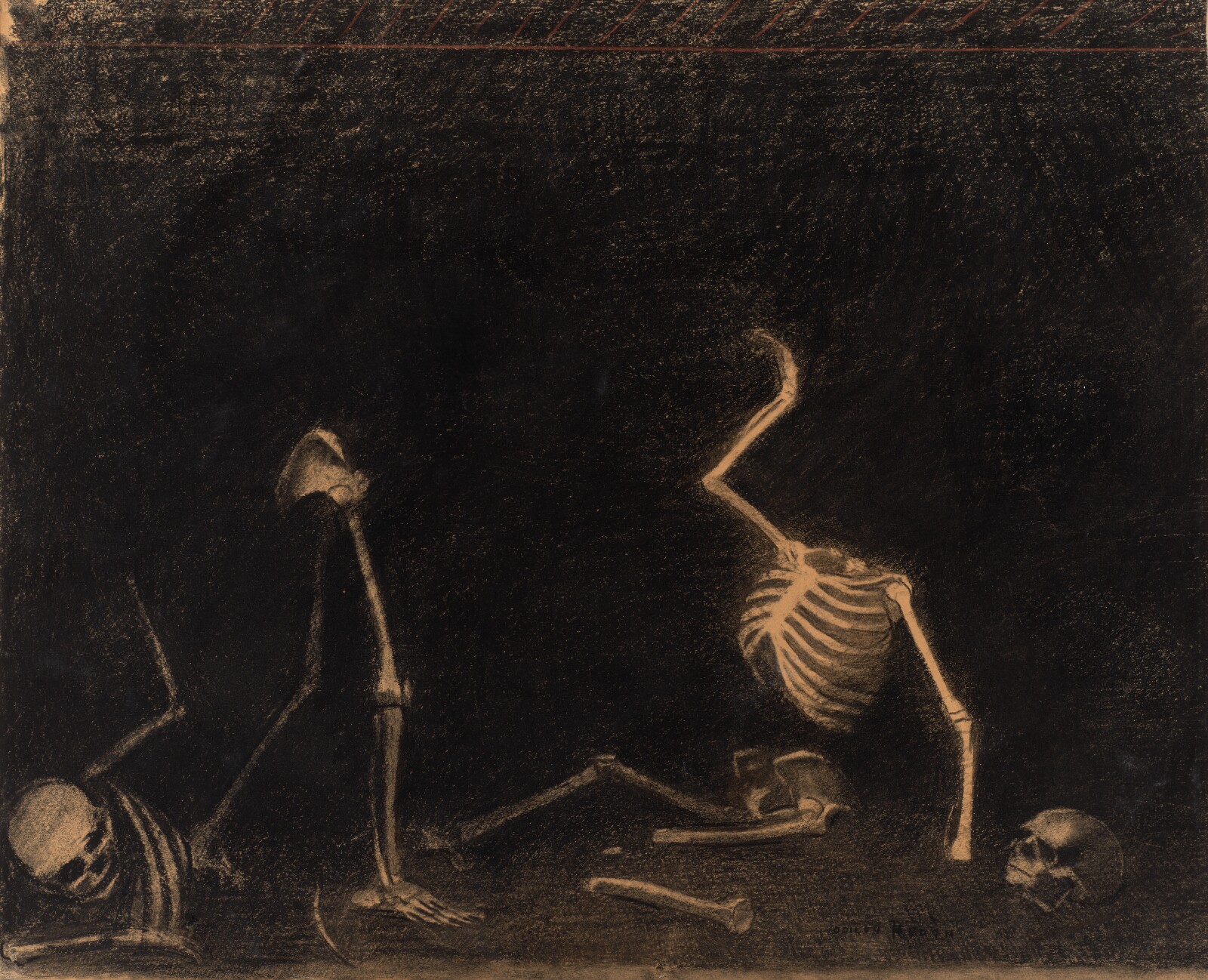
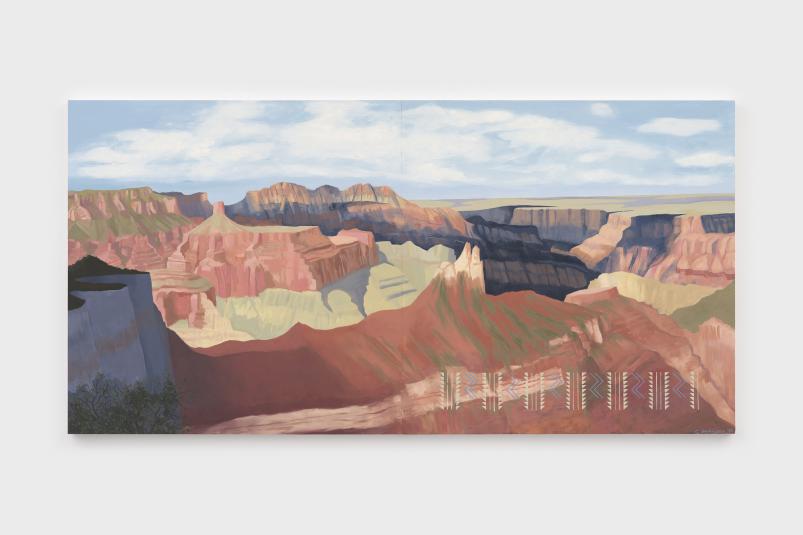
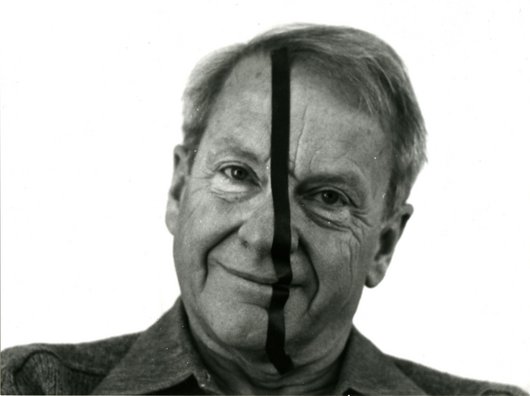
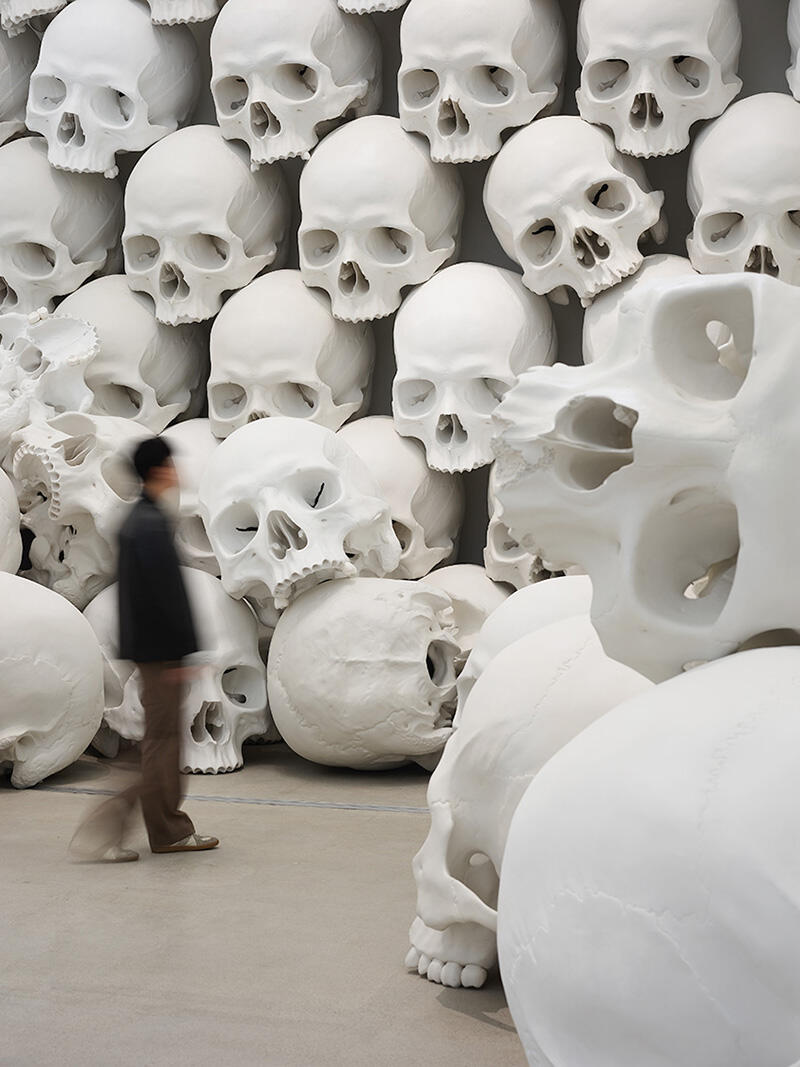
Drive Your Plow Over the Bones of the Dead explores the lives and agency of animals, challenging the traditional human-centered perspective. Inspired by Drive Your Plow Over the Bones of the Dead, the exhibition presents works across painting, film, sculpture, and installation, highlighting moments of animal resistance, communication, and presence. Through subtle gestures and striking interventions, the artists invite audiences to reconsider empathy, ethics, and the complex relationship between humans and non-human beings.

“You have more compassion for animals than for people.”
“That’s not true. I feel just as sorry for both. But nobody shoots at defenceless people. At least not these days.”
Drive Your Plow Over the Bones of the Dead, Olga Tokarczuk
Envisioning the possibilities of animal resistance against human abuse, this exhibition invites audiences to consider the lives of animals as sentient beings capable of communication, organisation, and even vengeance. Dismantling the vision of non-human animals as voiceless and inert, the works, in different ways, grant them a space to act – to signal their unrest, seek freedom, and express grievance.
Cases of animal resistance, while rarely acknowledged, occur with underreported regularity, often acting as paradoxical pathways to human identification with their plight. The artists in the exhibition present moments in which animals assert their presence and power – sometimes subtly, sometimes violently – subverting the entrenched hierarchy between the human and non-human. In doing so, the exhibition asks how empathy and respect might emerge from a recognition of animals as political and ethical agents in their own right.
The title of the exhibition references Drive Your Plow Over the Bones of the Dead, the environmentalist and feminist eco-thriller by Olga Tokarczuk, who in turn draws this title from William Blake’s Proverbs of Hell. The story is narrated by Janina Duszejko, an ageing former engineer, amateur translator of Blake, and passionate animal rights advocate, whose outcry against hunting is consistently met with bewilderment and contempt. Local authorities and neighbours attribute her pleas to eccentricity, old age, as well as a “women’s instinct for caring.”
When a series of local hunters and a fox-farm owner die under mysterious circumstances, Duszejko insists on interpreting the events as acts of animal vengeance for sustained human cruelty: “It is highly possible that the Deer he persecuted inflicted summary justice… At the same time I petition for the Deer and other eventual Animal Culprits to go unpunished, because their alleged deed was a reaction to the soulless and cruel conduct of the victims, who were, as I have thoroughly investigated, active hunters.”
Powerfully exposing the deformity of the hunters’ view of animal suffering, the book also probes the representation of people concerned with animal liberation – a cause that is nonetheless increasingly recognised as a social justice movement. Echoing William Blake’s dark and prophetic vision of justice – one in which moral reckoning springs from the unsettling return of what has been systematically oppressed and ignored – the exhibition considers the agency of beings beyond the parameters of the rational that constitute the human worldview.
Artists
Francis Alÿs (b. 1959) is known for his in-depth projects in a wide range of media, including documentary film, painting, drawing, performance, two-dimensional animation, and video. Through his practice, Alÿs consistently directs his distinct poetic and imaginative sensibility toward anthropological and geopolitical concerns centred around observations of, and engagements with, everyday life. He has been the subject of numerous institutional exhibitions internationally, including a recent exhibition at the Barbican Art Centre (2024) and a major survey exhibition at Tate Modern (2010).

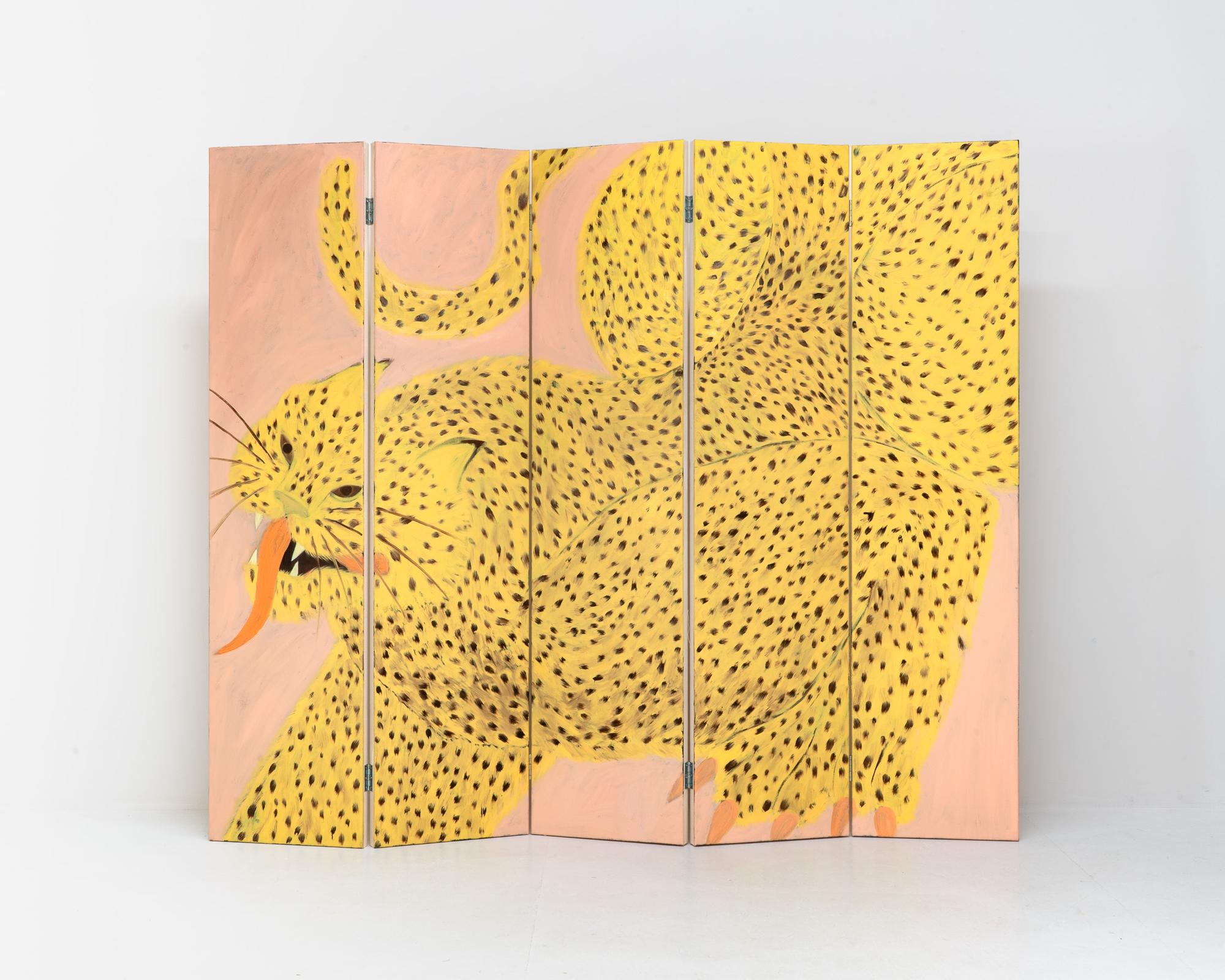
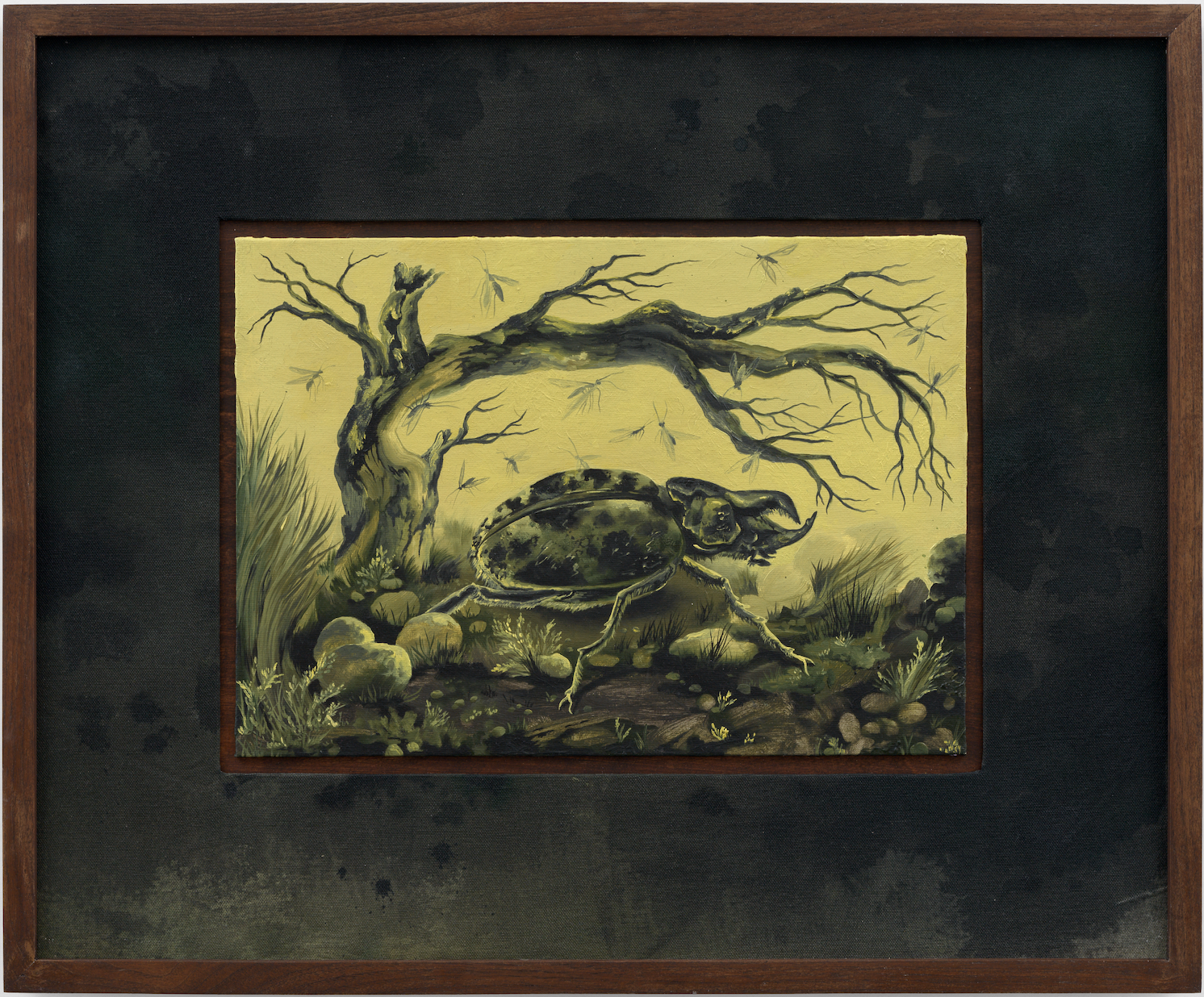
Sara Anstis (b. 1991, Sweden; lives and works in London) studied at Valand Academy, Gothenburg, and the Royal Drawing School, London. Anstis uses sensuous soft pastels and oil paint to build worlds that set the stage for explorations of subjectivity, mythology, and ecology. Recent solo exhibitions include Perrotin, Tokyo (2025), and Kasmin, New York (2024).
Odonchimeg Davaadorj (b. 1990, Mongolia; lives and works in France) studied at the École nationale supérieure des Beaux-Arts de Lyon. In her paintings and works on paper, Davaadorj considers the relations between human and animal lives, drawing on animism and nomadic cosmologies. Selected exhibitions include Stedelijk Museum Schiedam (2026); Maison des Arts et de la Culture – Villa Médicis, Ville de Saint-Maur-des-Fossés (2025); and Museum Folkwang, Essen (2023).

Susan Eyre (lives and works in the UK) studied Fine Art in London. Her research-led practice spans installation, sculpture, and moving image, engaging with perception, magnetism, and more-than-human systems. Recent exhibitions include Royal West of England Academy, Bristol (2025); Hypha HQ (2025); and Advanced Research Centre, Glasgow (2025).
Andy Holden (b. 1982, UK) works across large installations, sculpture, painting, music, performance, animation, curating, and multi-channel video. His work is often defined by very personal starting points that lead to more abstract philosophical questions. He is the subject of an upcoming solo exhibition at Tate Liverpool. Recent solo exhibitions include Huddersfield Museum (2025); Tate St Ives (2024); and The Perimeter (2024).
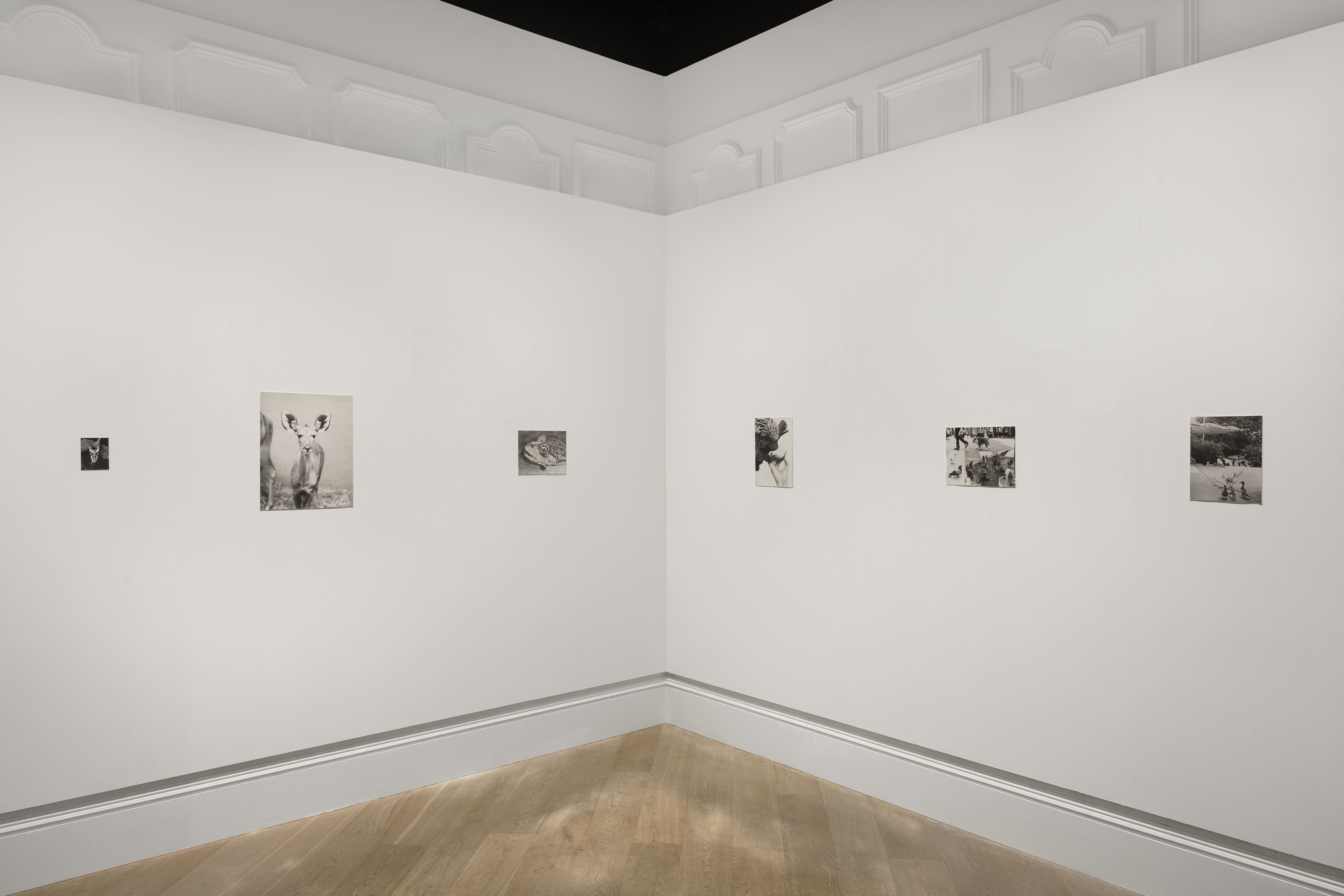
Jochen Lempert (b. 1958, Germany) trained as a biologist before turning to photography. His works attend closely to animals, plants, and natural phenomena. Exhibited with palpable immediacy and materiality, his works question our attitudes and views on the natural world. Selected solo exhibitions include Museum voor Fotografie, Amsterdam (2022); Centre Pompidou, Paris (2022); and Kunsthaus Wien, Vienna (2018).
Kat Lyons (b. 1991, US) draws on her personal experience on a livestock farm, as well as distinct representations of animal lives, to probe human attitudes towards animals. By presenting her subjects across various planes of existence, her compositions aim to highlight non-human contributions to humankind, the challenges they face, and their rich emotional lives that bond all phenomena in the common experience of life on Earth. Recent solo exhibitions include Marquez Art Projects (2025) and Tank Museum, Shanghai (2025).
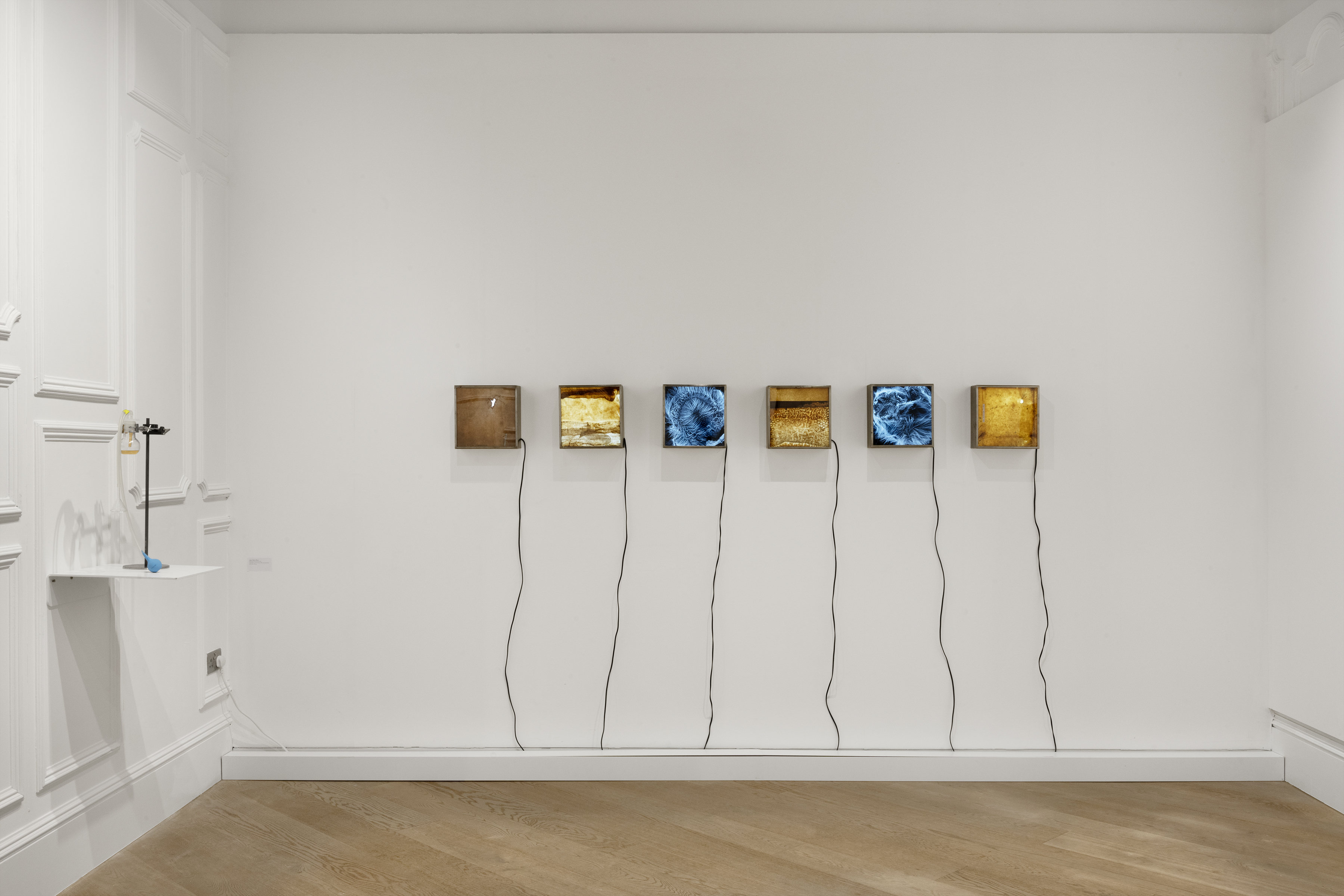
Anne Marie Maes (b. 1955, Belgium) studied visual arts in Brussels and works across art, science, and ecology. Her research-driven practice explores interspecies communication, microbial life, and symbiotic systems, with a particular focus on bee agency. Selected exhibitions include WIELS, Brussels (2025); Palais de Tokyo, Paris (2022); and ZKM, Karlsruhe (2019).
Tiziana Pers (b. 1976, Italy) works across painting, performance, installation, and activism to address animal exploitation and the ethics of care. She runs several long-term projects, including Art_History, in which she exchanges a painting to save a sentient being from slaughter. Selected exhibitions include The National Museum of Contemporary Art, Athens (2025); Triennale Milano (2024); and MAXXI, Rome (2023).
Amalia Pica (b. 1978, Argentina; lives and works in London) studied in Buenos Aires and at the Rijksakademie van Beeldende Kunsten, Amsterdam. Her work spans installation, video, collage, sculpture, and performance, examining systems of communication and exchange. She has been the subject of solo exhibitions at Cample Line, Scotland (2025); Museo Jumex, Mexico City (2023); and Museum Haus Konstruktiv, Zurich (2020).
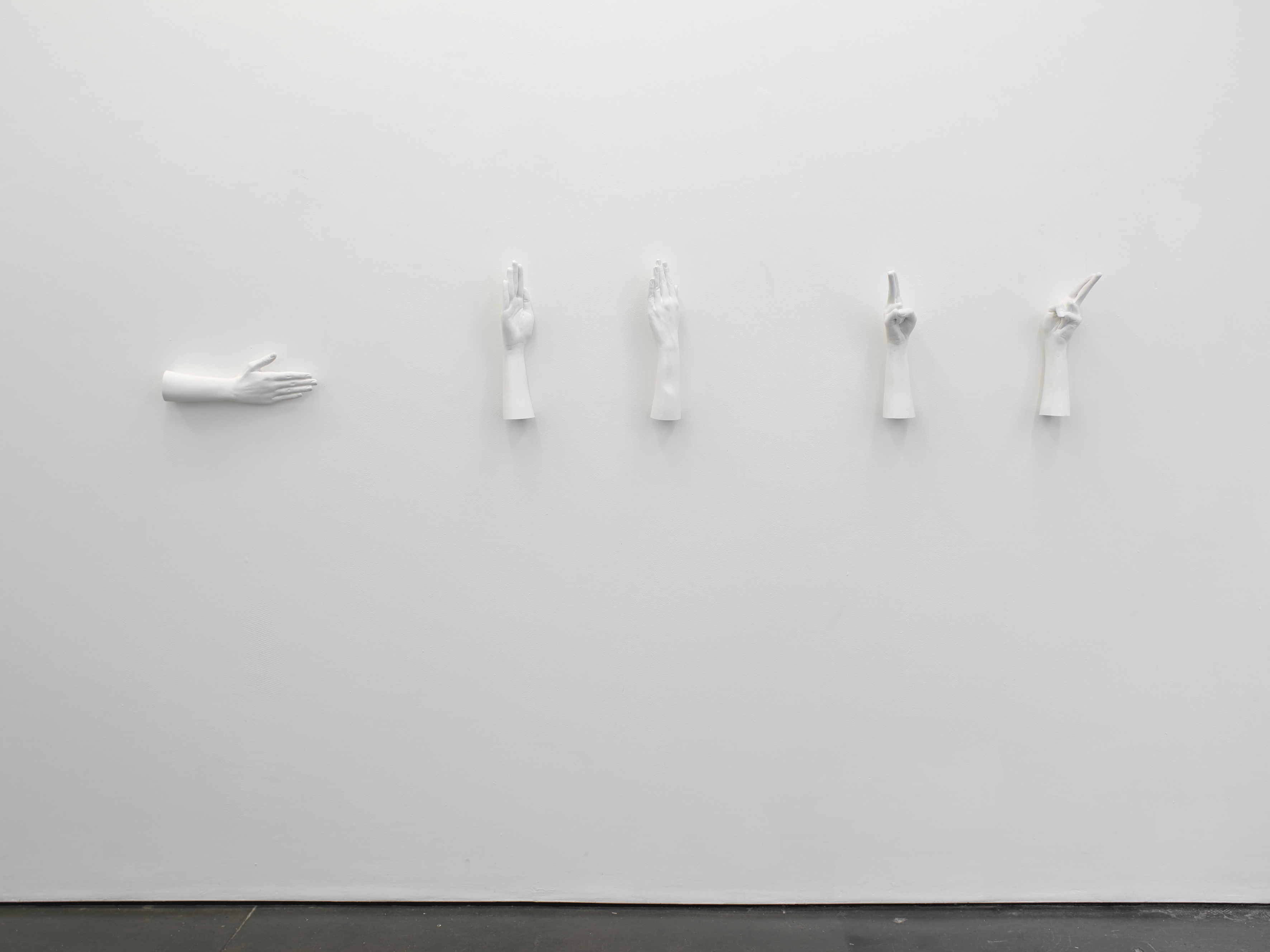
Rafael Ortega (b. Mexico) is a London-based cinematographer whose art practice gravitates around collaborative moving-image projects with artists and museums. Through this process, he has contributed to more than 75 projects, including collaborations with Francis Alÿs, Abraham Cruzvillegas, João Penalva, Amalia Pica, Pablo Vargas Lugo, Melanie Smith, Javier Téllez, and the Amparo Museum, Mexico.
Bryndís Snæbjörnsdóttir (b. 1955, Iceland) and Mark Wilson (b. 1954, UK) investigate, through their collaborative practice, how animals are classified, displayed, and controlled within human systems of knowledge. Recent solo exhibitions include National Gallery of Iceland (2026); Reykjavík Art Museum (2022); and Edinburgh Art Festival (2019).
About the curator
Maria Hinel is a Ukrainian-British independent curator and writer. Her curatorial work focuses on the intersections between art and philosophy, with a particular emphasis on human and non-human relations, language, identity, and gender. She completed her BA in Art History and Philosophy at UCL, followed by an MA in Art History at the Courtauld, where she was a scholarship recipient. She previously oversaw exhibitions at Skarstedt Gallery in London. Her recent projects include The Pleasure of Misuse (Royal Society of Sculptors, London, 2025); Carbon, Carbon Everywhere (Hypha HQ, London, 2025); and The Middle Voice (Shtager & Shch, London, 2024).
The exhibition is open Wednesday to Saturday, 11 am – 6 pm, or by appointment.
To book an appointment or for general and press enquiries, please contact maria@hinelart.com.

.jpg)
.jpg)


.webp)