
LATEST NEWS:
COLLECTOR INTELLIGENCE
COLLECTOR INTELLIGENCE
Collector Intelligence | Last reviewed 18 November 2026
A collection is only as manageable as its records. Good documentation tells you what you own, where it is, how it entered the collection, what it cost, what condition it is in and what evidence will travel with it when it is lent, insured, inherited or sold.
Museums formalise this through collection-management standards. Private collectors do not need museum bureaucracy, but they can borrow the underlying discipline. Collections Trust’s Spectrum 5.1 standard treats inventory, cataloguing, location control, acquisition records, condition, valuation, insurance, loans and rights as interconnected procedures. That logic works extremely well for private collections too.
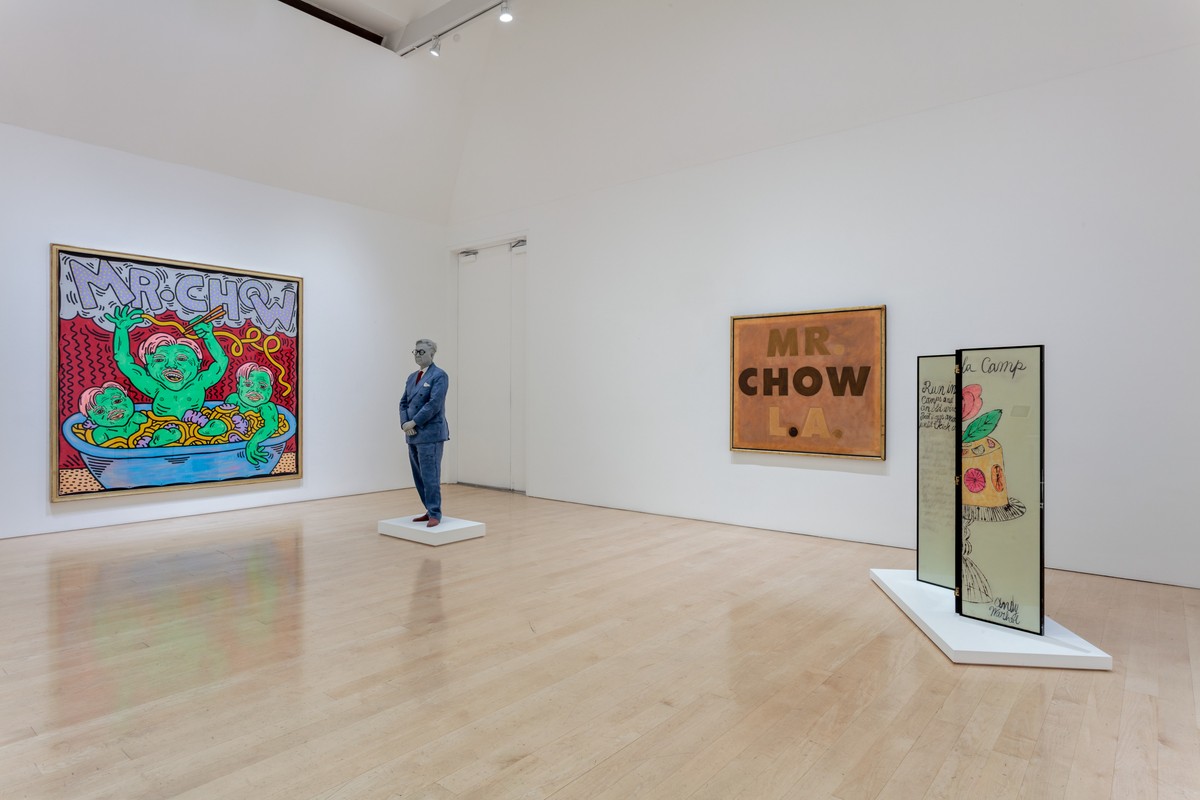
Create a simple identifier that never changes, even if the work moves or the title is corrected. A format such as AC.2026.001 is enough. The number links the physical object to all its digital and paper records.
Do not use current room location or value as the permanent identifier because both will change.
At minimum, record artist or maker, title, date, medium, dimensions, edition information, inscriptions or signatures, acquisition date, seller, price, current location and insurance value. Add a concise physical description that would help identify the work if the image were unavailable.
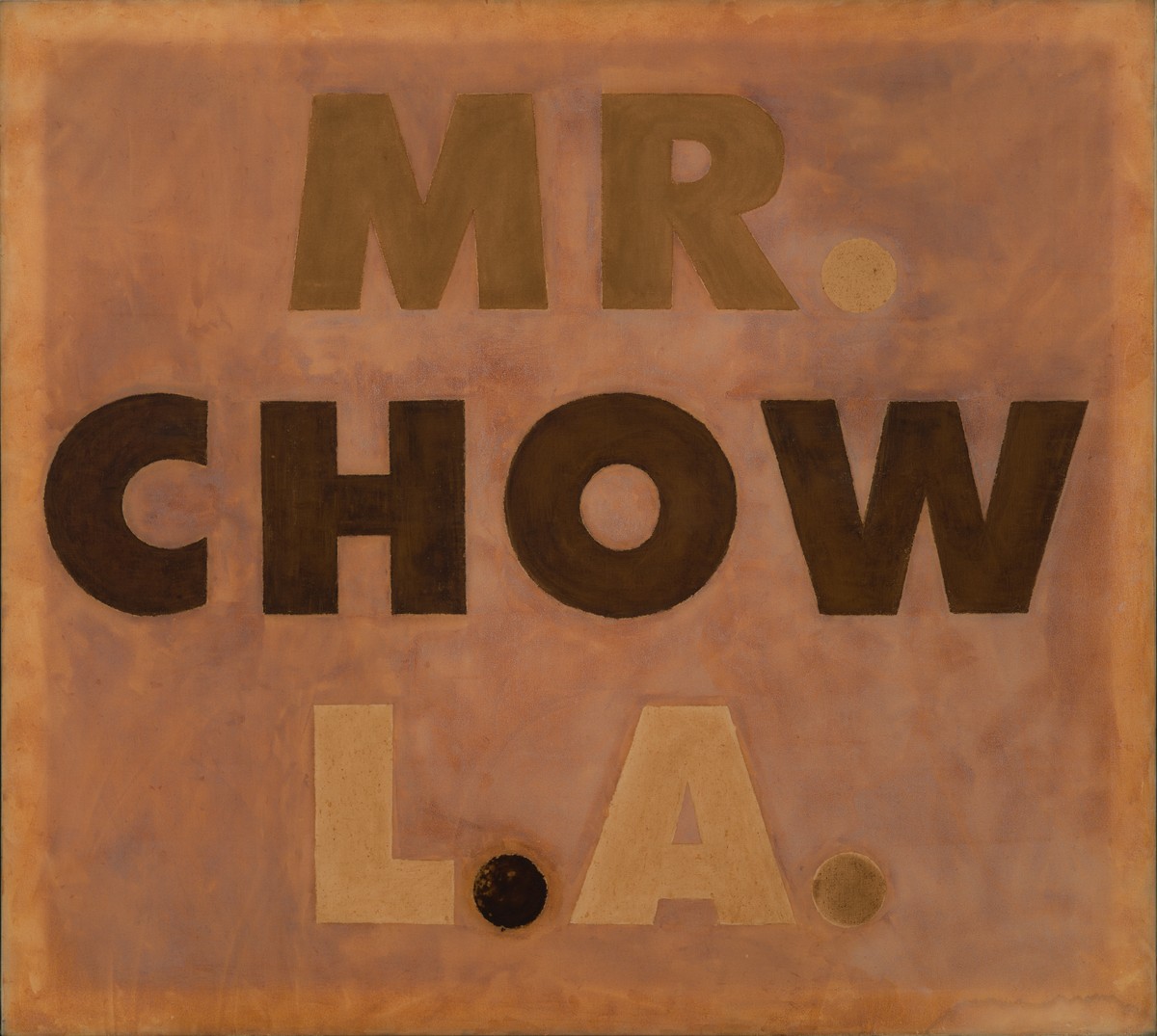
Take a clean overall image and photograph the reverse, labels, signatures, edition numbers, frame labels, foundry marks and distinctive condition features. Keep the highest-resolution originals, not only compressed phone versions sent through messaging apps.
For sculpture and design, photograph multiple angles and any maker’s marks. For installations, document every component and the installed configuration.
Store the invoice, purchase agreement, provenance, certificate, condition report, authenticity research, gallery correspondence, auction catalogue entry, shipping records and tax or customs documents together. Do not delete original emails merely because key information has been copied into a database.
Collections Trust’s location-control standard is simple in principle: you should know where every object is and keep the record current when it moves. Apply the same rule at home. Record property, room, storage facility, restorer, museum loan or shipper custody and the date of movement.
For valuable collections, restrict who can access detailed location and valuation data.
Attach dated condition reports and photographs. Note conservation treatment, framing changes, cleaning, repairs and recommendations for future care. Condition records become much more useful when they show change over time.
These numbers can diverge. Preserve original cost for tax and collection history. Record the date, source and purpose of every later valuation. Keep valuation data confidential where appropriate and set a reminder to review important works periodically.
If a work leaves for a museum, gallery or scholarly exhibition, keep the loan agreement, facility report, insurance or indemnity evidence, outgoing and incoming condition reports, courier records and exhibition catalogue. Record the exhibition title, venue and dates in the object record.
Owning an artwork does not automatically mean owning copyright. Record copyright owner, reproduction permissions, licence agreements, moral-rights restrictions and any approved high-resolution images. This becomes essential for publications, websites, loans and the future sale of the collection.
A spreadsheet is better than no system, but a mature collection may justify dedicated collection-management software. Whatever system you use, maintain encrypted backups in more than one secure location. Do not keep the only copy of invoices and certificates on the same laptop as the database.

Once a year, confirm that every object can be located, key documents are present, insurance values are current, condition issues are noted and outstanding research has an owner. An audit catches small record failures before they become expensive mysteries.
Collections Trust: Spectrum 5.1 Procedures
Collections Trust: Location and Movement Control
Collections Trust: Acquisition and Accessioning
Private collections vary in scale and legal structure. This guide adapts institutional best practice for collector use rather than prescribing museum procedures.
Collector Intelligence is independent educational editorial content. Legal, tax, insurance, sanctions, conservation and investment questions should be checked with appropriately qualified specialists in the relevant jurisdiction.
A practical collection-management system for private collectors: inventory numbers, photographs, invoices, provenance, condition, location, insurance, loans and backups.
Collector Intelligence is independent educational editorial content. Legal, tax, insurance, sanctions, conservation and investment questions should be checked with appropriately qualified specialists in the relevant jurisdiction.