
LATEST NEWS:
COLLECTOR INTELLIGENCE
COLLECTOR INTELLIGENCE
Collector Intelligence | Last reviewed 18 November 2026
An auction is one of the few places in the art market where a collector can watch demand form in real time. It is also one of the easiest places to confuse the visible bid with the true cost of an acquisition. The winning hammer price is only one number in a transaction that may also include a buyer’s premium, tax, artist’s resale royalty, shipping, insurance and import costs.
The collector’s advantage at auction is preparation. By the time bidding starts, you should already know what the work is, why you want it, what questions remain unanswered and the maximum all-in amount you are prepared to spend. The auction room is for executing a decision, not inventing one under pressure.
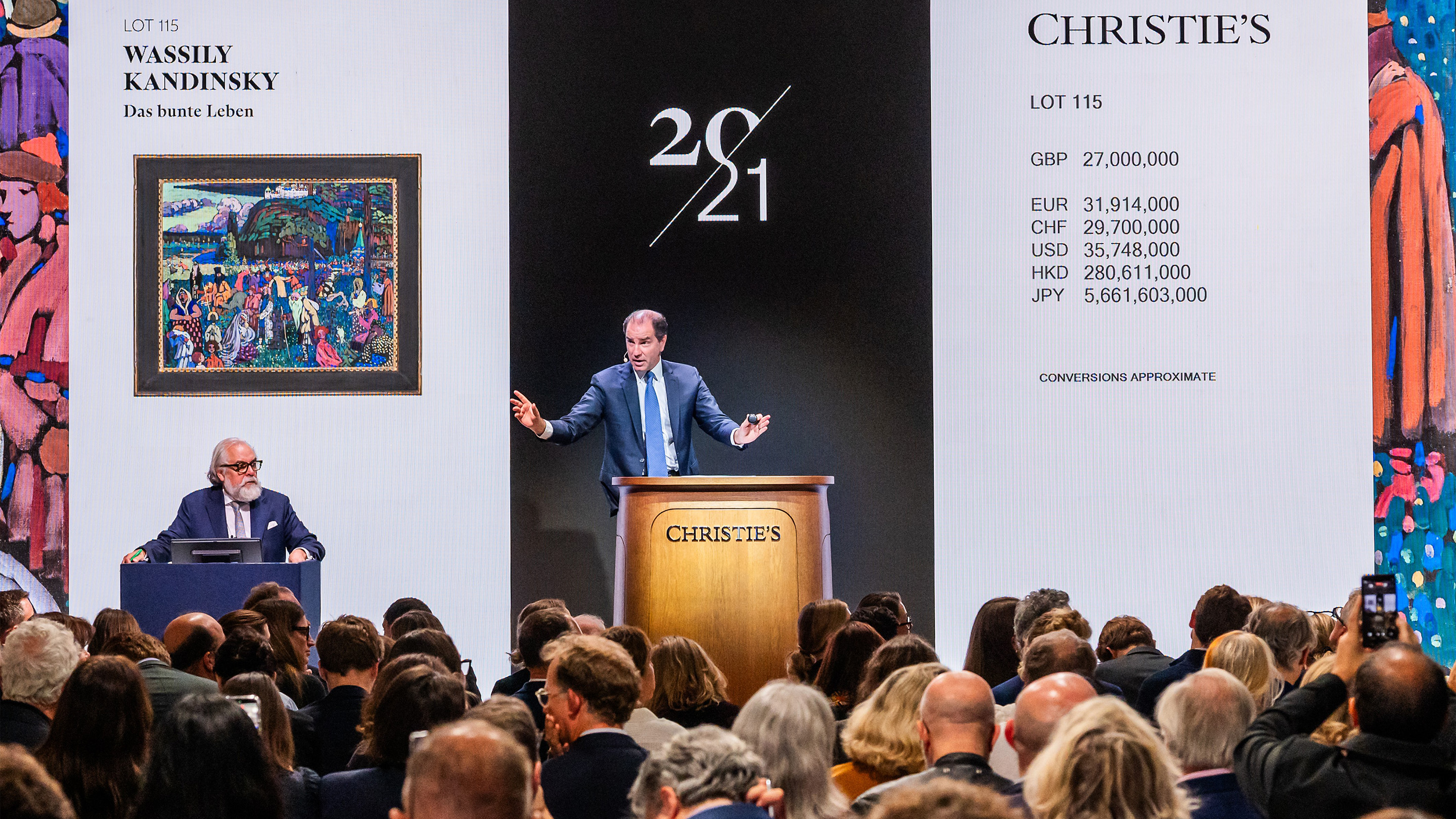
Start with the complete lot entry rather than the headline image. Confirm the artist, title, date, medium, dimensions, signature or inscription information, provenance, exhibition history, literature and estimate. Then read every symbol and footnote attached to the lot. Symbols can flag tax treatment, guarantees, third-party financial interests, artist’s resale royalty, import status or other conditions that affect the transaction.
Catalogue entries vary in depth. A long provenance is not automatically a clean provenance, and a short one is not automatically a problem. What matters is whether the information is appropriate for the age and importance of the work and whether material gaps or qualifications have been explained.
The presale estimate is the auction house’s opinion of a likely bidding range, not a valuation certificate and not a promise of where the work will sell. It can reflect recent comparables, the quality and rarity of the work, seller expectations, market strategy and the auction house’s desire to stimulate competition.
The reserve is different. It is the confidential minimum below which the seller is not obliged to sell. A lot that fails to reach the reserve may be bought in or passed. Do not infer the reserve simply from the estimate; read the sale terms and ask the specialist if you need to understand the house’s rules.
The buyer’s premium is charged on top of the hammer price and is usually calculated in tiers. It can materially change what a “£100,000 bid” or “$1 million bid” actually costs.
As of 18 November 2026, Christie’s standard London rates for most collecting categories are 28% on the portion of the hammer price up to £1.5 million, 22% on the portion from £1.5 million to £6 million, and 15% above £6 million. Sotheby’s current London schedule uses the same 28% / 22% / 15% tiers and thresholds. Phillips’ standard London rates, effective 12 April 2026, are 29% to £1.5 million, 22% from £1.5 million to £6 million and 15% above £6 million; qualifying Priority Bidding rates are lower.
These percentages are current examples, not permanent rules. Rates can change and exceptions apply by sale category and location. Taxes, VAT/GST or sales tax, artist’s resale royalty and other charges may also apply. Always calculate from the specific sale’s current Conditions of Business before bidding.
Experienced bidders decide their maximum hammer bid by working backwards from the maximum total amount they are willing to spend. If your total budget is £50,000, your hammer ceiling is not £50,000. Deduct the buyer’s premium and any known tax or royalty exposure first, then leave room for transport and insurance.
This simple discipline prevents one of the most common auction mistakes: winning the work at a number that sounded acceptable in the room and discovering afterward that the invoice is substantially higher.
Condition reports are useful, but they should not be treated as warranties. Major auction houses expressly tell buyers that lots are sold “as is” and that condition information is provided for convenience. The buyer remains responsible for inspection and judgment.
Ask for a report early. Request additional high-resolution images of the front, reverse, frame, edges and any areas of concern. For a painting, understand relining, retouching, surface cracking and structural issues. For works on paper, ask about fading, foxing, mounting and light exposure. For sculpture, understand repairs, casting history, patina and component stability. For complex contemporary works, ask what hardware, software, instructions or replacement components are included.
If condition could materially affect value or future care, commission an independent conservator before bidding where time and access permit.

An auction-house catalogue can be an important research source, but responsibility does not disappear because a major name is selling the work. Check the chain of ownership, catalogue raisonné status where relevant, artist-estate or foundation information, exhibition history and any restitution or cultural-property issues suggested by the object’s history.
For expensive or higher-risk works, consider independent legal, provenance or specialist advice. Ask the auction house directly about any material qualification in the catalogue rather than assuming an omission is unimportant.
Some major lots are backed by guarantees, irrevocable bids or other financial arrangements that reduce a consignor’s risk or involve a third party with an economic interest in the outcome. These structures are usually identified by catalogue symbols and explained in the conditions of sale.
They are not inherently problematic, but they affect how you interpret the theatre of the auction. A guaranteed sale does not tell you how broad organic demand is. Read the symbols so you know whether parties beyond ordinary bidders may have a financial interest in the lot.
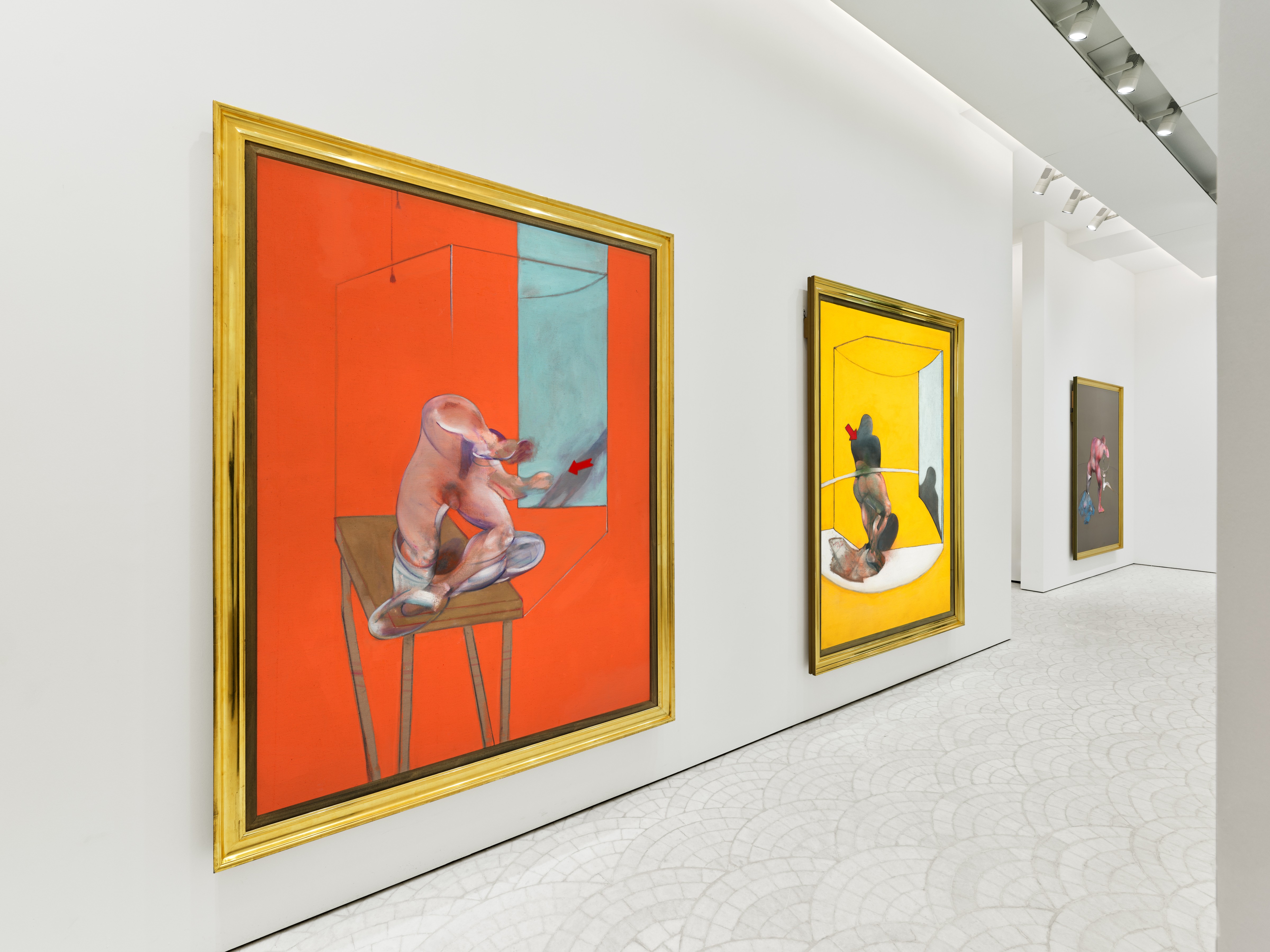
Scale, colour, surface, frame and condition can be very different from a screen image. Preview exhibitions exist for a reason. If you cannot attend, ask a trusted adviser, conservator or specialist to inspect on your behalf and request a video call with the work under neutral light.
For very high-value acquisitions, the cost of independent inspection is small relative to the cost of getting the object wrong.
In-room, telephone and online bidding are different interfaces for the same financial decision. Telephone bidding gives you contact with a specialist; online bidding gives immediate visibility; absentee or maximum bids can remove some emotion. None is intrinsically better.
What matters is that your ceiling is written down before the sale and does not move because another bidder appears confident. Auction competition is designed to make one more increment feel small. Several “small” increments can quickly become a large mistake once premium and tax are added.
A successful bid creates a contractual obligation under the sale terms. Payment deadlines can be short. Shipping is normally separate and may require specialist handling, customs documentation, export licences or temporary storage. High-value works may also require updated insurance before they leave the auction house.
Plan these issues before the sale, especially for cross-border purchases. A work that cannot be exported easily, or that attracts unexpected import tax, may be a very different acquisition from the one you thought you were making.
Fee schedules and buyer guidance were checked on 18 November 2026 against the official Christie’s, Sotheby’s and Phillips buyer information. Because auction fees and tax treatment change, collectors should always recheck the specific sale conditions immediately before bidding.
Christie’s: Buyer’s Premium and Financial Information
Sotheby’s: Buyer’s Premium
Phillips: Buyer’s Premium Structure
Collector Intelligence provides general educational information. Fees, taxes, legal rights and sale terms vary by jurisdiction, auction house and individual sale.
Collector Intelligence is independent educational editorial content. Legal, tax, insurance, sanctions, conservation and investment questions should be checked with appropriately qualified specialists in the relevant jurisdiction.
A practical guide to buying art at auction: estimates, reserves, buyer’s premiums, condition reports, provenance, bidding discipline and the true all-in cost.
Collector Intelligence is independent educational editorial content. Legal, tax, insurance, sanctions, conservation and investment questions should be checked with appropriately qualified specialists in the relevant jurisdiction.